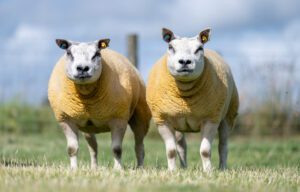
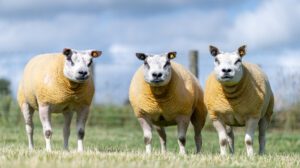
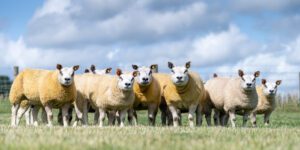
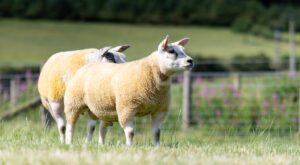
When Alan Miller of the now well-known pedigree Lurg Beltex flock from Midmar, Aberdeenshire first ventured into the breed almost eight years ago, his belief that you need to be prepared to buy the best in order to breed the best, has been fulfilled in recent years on both the show scene and in the sale rings.
However, although he has achieved many notable and record-breaking prices for pedigree sales, Alan says while these are obviously welcome, his focus remains on producing both tups and females for commercial lamb producers who are able to cash in on the premiums being achieved for Beltex-sired prime lambs.
The 30 or so pedigree ewes share the 350 acre farm with 50 suckler cows and a mix of Suffolk Mules used as ET recipients, and Scotch Mules also used by Lurg to breed their own recipients. Although this livestock enterprise is highly successful, it is not the Miller family’s main business.
Says Alan: “I farm with my father Frank, brother Ian and my wife Rachel and we have three children, but our main enterprise is, and has been for four generations, Miller Plant. That includes quarrying, contract crushing and aggregate sales, plant hire, heavy haulage and some agricultural contracting, and we have more than 50 employees.
“I have always been involved with the farm though, and when I was younger, I bred Bluefaced Leicesters but sold them in 2006. In 2018 I decided I wanted to get back into pedigree and as Beltex by then had been improved so much with more length, while retaining easy lambing, they fitted the bill for something also having a strong commercial following. We began with three shearlings ewes which we flushed successfully, one from Stuart Wood’s Woodies flock, an Ardstewart from that Donegal-based flock, and one from Jock McMillian’s Clary flock.”
Alan says one tup which really set the flock on the right road was Stuart Wood’s Woodies Explosive for which they paid 16,000gns at the Premier Sale.
“He is a son of the noted Bailey Brook CR7 and although that was quite a lot of money at the time, he has since produced progeny that have made well documented high prices for us as well a show champions.
“Another more recent influential purchase was Mellor Vale King Kong for which we paid 10,000gns and he has also come up with the goods in the sale ring, not least the tup lamb Lurg Lucifer which was the Scottish National champion at Dumfries show and then went on to sell at 50,00gns at Lockerbie. “
“I also put a lot of focus on our female lines. I like to sell good females while keeping what I consider to be the very best for producing flock replacements. We will flush about 10 of them twice a year and I don’t find that is any detriment whatsoever to their fertility or longevity. A good example would be Ardstewart Crazy Angel which is nine years old and still in the flush team.”
He also points to Sinclair’s Daisy purchased in 2019, a successful show ewe having first won the Scottish National at Perth three years ago and from which many females have been retained as well as sold. One example is the shearling Lurg Keep One Eye Open which made 6,500gns at the Beltex Beauties sale. She was out of Daisy by Mid Shawtonhill Gypsy King. At the same sale, a 5,500gns came for a shearling daughter of this year’s Royal Highland breed champion, Lurg Hiccup, a two-crop ewe which also won the Scottish National two years in succession. Hiccup is out of Lurg Fern and by Vicky’s Gladiator.
However, perhaps more notable in the price lists have been Daisy’s sons Lurg Goliath that made 50,000gns and Lurg Grand Slam that was sold for 45,000gns at Carlisle in 2022.
Says Alan: “The main sales for shearlings, gimmers and lambs for us are Aberdeen, Carlisle and Lanark but we also go down to Skipton and of course, there are the in-lamb sales at Carlisle in December and the Club sale at Lanark.”
The farm uses the services of AB Europe for all the AI and ET, and lambing the recipients at Lurg begins at the end of January and then a further batch from the beginning of March, and according to Alan, caesareans are by no means common.
“I think some people have an unfounded fear of caesareans in Beltex whereas in reality, the lambs are fairly small and normally, easily delivered. But the thing about this breed is that from then on, they are vigorous and grow on rapidly.”
Lurg is a good grassland farm and also grows about 15 acres of fodder beet for the out-wintered tups and gimmer hoggs and this ground is then re-seeded with a seven year ley.
Says Alan: “We provide energy buckets for the lambing ewes as most people do, and they are only housed for lambing and then turned out again. The lambs do have access to creep, but not too much and I will not push the tup lambs or shearlings as we don’t want a reputation for them swealing away after they have been sold.”
While the focus is on the pedigree breeding, a proportion of Mule hoggs are put to the Beltex and the lambs are normally sold as stores in August.
Want to learn more about Alan Miller and the Lurg Flock? Watch the video here – https://youtu.be/2kTYwNdM2_0
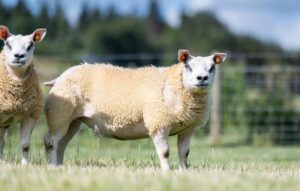
Alan Miller and sheep
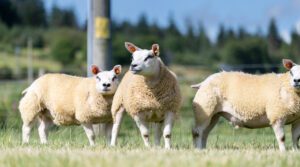
Alan Miller and sheep
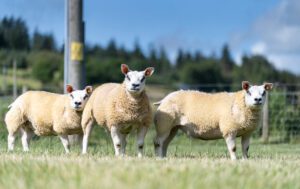
Alan Miller and sheep
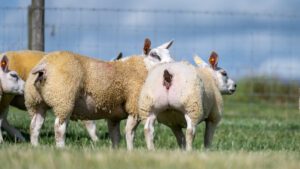
Alan Miller and sheep
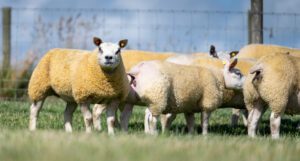
Alan Miller and sheep
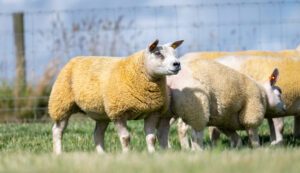
Alan Miller and sheep
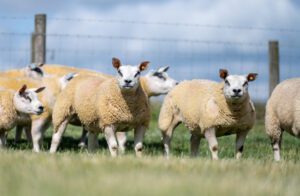
Alan Miller and sheep
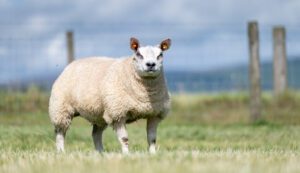
Alan Miller and sheep
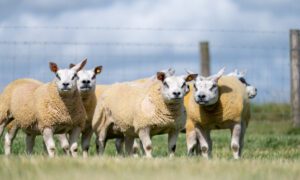
Alan Miller and sheep
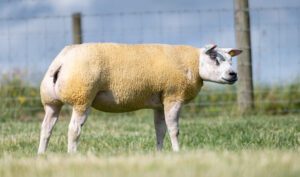
Alan Miller and sheep
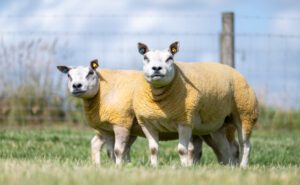
Alan Miller and sheep
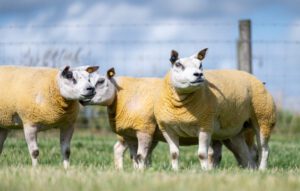
Alan Miller and sheep
Alan Miller and sheep
Alan Miller and sheep
Alan Miller and sheep
Alan Miller and sheep
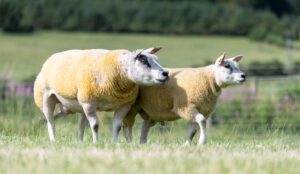
Alan Miller and sheep
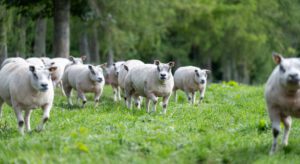
Alan Miller and sheep
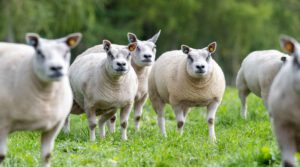
Alan Miller and sheep
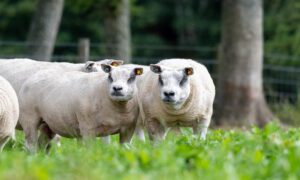
Alan Miller and sheep
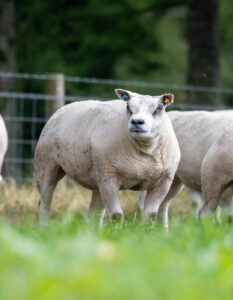
Alan Miller and sheep
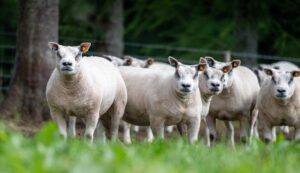
Alan Miller and sheep
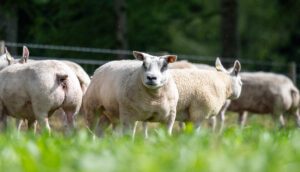
Alan Miller and sheep
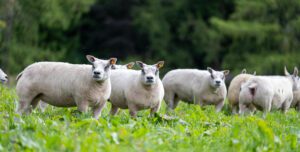
Alan Miller and sheep
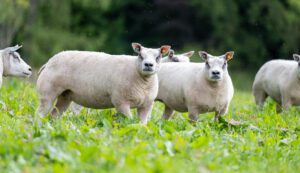
Alan Miller and sheep
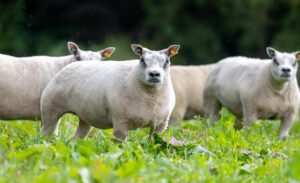
Alan Miller and sheep
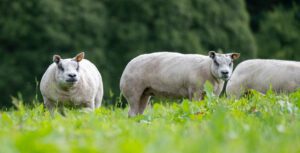
Alan Miller and sheep
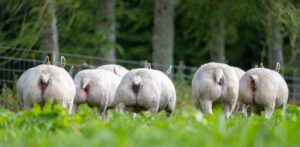
Alan Miller and sheep

